
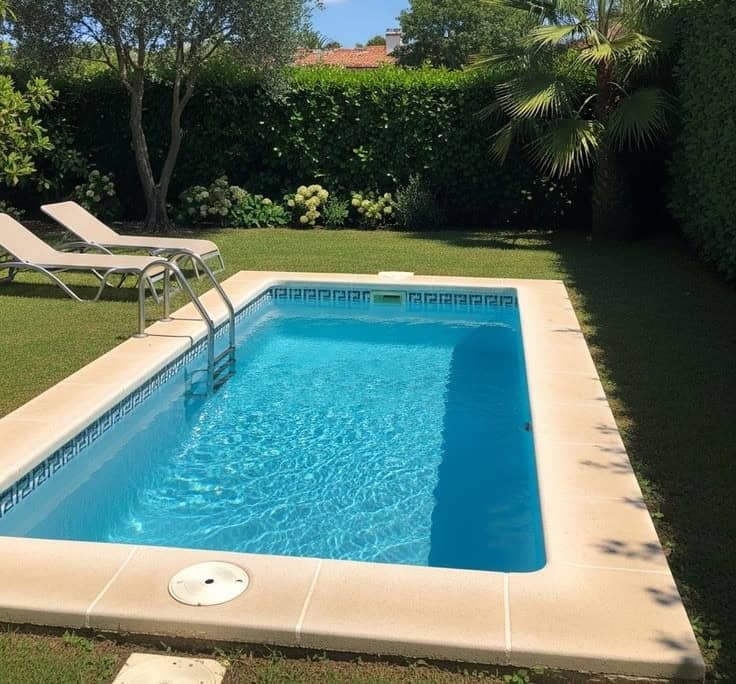
A private or commercial swimming pool is one of the most valuable structural investments you can make for a property in Kenya. Whether you are a homeowner in Runda, Karen, or Muthaiga looking to elevate your outdoor living space, or a resort developer in Mombasa, Naivasha, or Kisumu, a professionally engineered pool instantly spikes property appraisal values and attracts premium traffic.
However, building a pool isn’t just about digging a hole and filling it with water. It is a highly technical, multi-disciplinary engineering project that requires precise structural execution, fluid dynamics, and local municipal compliance.
As a premier engineering firm based in Ruiru, Neema Technologies walks you through the exact, step-by-step blueprint of commercial-grade swimming pool construction in Kenya.
Phase 1: Site Acquisition & Zoning (Before Digging)
The success of your swimming pool depends entirely on the preparation work done before heavy machinery arrives on site. Moving dirt too quickly without proper planning can lead to legal penalties or structural failure.
- Land Selection: We help you map out a clear, flat area of your yard that receives maximum sunlight exposure. Positioning the pool away from large trees is vital to minimize leaves, falling debris, and root systems that can break underground pipes.
- Zoning and Approvals: Before construction begins, structural architectural blueprints must be submitted to your respective County Government (such as Nairobi, Kiambu, or Machakos County) to secure necessary residential building, plumbing, and electrical development permits.
- Utility Mapping: Underground water lines, power cables, and sewer pipes must be professionally mapped out to avoid costly disruptions or dangerous utility strikes during excavation.
- Geotechnical Soil Test: This is the most critical step in Kenya’s varied terrain. Black cotton soil (common in parts of Kitengela and Ruai) or a high water table requires custom-engineered structural reinforcement to prevent the pool shell from cracking or lifting over time.
Phase 2: Structural Pool Construction
This is the core engineering phase where your pool takes physical shape. While vinyl and fiberglass options exist, a steel-reinforced concrete pool using shotcrete or gunite remains the gold standard for durability and custom designs in East Africa.
The Structural Construction Workflow
[Excavation] ➔ [Steel Rebar Framework] ➔ [Plumbing & Electrical] ➔ [Concrete Application]
1. Excavation
Using tracked excavators and skid-steer loaders (Bobcats), our team carves out the exact shape, shallow ends, and deep ends of your pool according to the approved architectural profile.
2. Steel Reinforcement (Rebar)
A dense grid of high-tensile Grade 60 steel rebar is tied throughout the excavated pit. This grid acts as the structural “skeleton” of the pool, providing the structural elasticity required to withstand thousands of tons of water pressure.
3. Plumbing and Electrical Infrastructure
Before any concrete is applied, critical operational components are embedded beneath the steel framework:
- Main drains at the deepest point.
- Surface skimmers to clear floating debris.
- Return lines for filtered water circulation.
- Waterproof low-voltage LED light niches.
4. Concrete/Shotcrete Application
A high-velocity hose pneumatically sprays a thick mixture of concrete over the steel rebar cage. Expert pool builders then use industrial trowels, screeds, and bull floats to hand-shape the walls, steps, tanning ledges, and benches.
5. Curing (The 28-Day Rule)
Concrete requires time to reach its maximum structural density. The raw pool shell must cure naturally, which involves spraying the concrete walls down with water daily for 28 consecutive days to ensure the chemical bonding process achieves optimal strength.
6. Waterproofing and Interior Finish
Once the shell is cured, it is sealed with a specialized commercial-grade waterproof plaster coating. Depending on your aesthetic preference, this can be finished with premium quartz aggregates, marbleite plaster, or classic hand-laid ceramic pool tiles.
Phase 3: Surrounding Decking & Landscaping
Once the core pool structure is sound, we turn our focus to the surrounding environment to ensure clean aesthetics and proper drainage management.
- Coping Installation: A stone or concrete border (coping) is mounted directly to the top lip of the pool wall. This creates a secure, non-slip handhold for swimmers and cleanly seals the pool structure’s edge.
- Surrounding Deck Grading: Whether you choose a stamped concrete patio, natural Galana stone pavers, or a treated wooden deck, the surface must be graded to slope gently away from the water. This stops dirty rainwater from washing garden mud back into your clean pool.
- Softscaping: We integrate low-debris, non-invasive plants and palms around the perimeter. We strictly avoid plants with aggressive root systems that could puncture your underground plumbing lines.
- Safety Fencing: To comply with safety standards and prevent accidental drowning, a secure perimeter safety fence with a self-closing, self-latching gate is installed around the pool area.
Phase 4: Equipment Pad Setup & Startup
This final phase installs the mechanical “heart and lungs” of your pool, bringing the water system to life.
- Equipment Pad Assembly: The circulation pump, filtration tanks, and sanitization systems are mounted onto a dedicated concrete equipment pad, tucked safely away from the main swimming area.
- Utility Hookups: Licensed plumbers connect the primary water lines, while certified electricians wire the energy-efficient variable-speed pumps, automation controllers, and low-voltage lights to the main breaker.
- The First Fill: The pool is filled with water continuously to ensure uniform pressure across the fresh plaster or tile finish, preventing uneven drying or staining.
- Chemical Balancing: Our technicians run initial water tests to introduce essential sanitizers, chlorine or saltwater chlorinator cell activations, and pH balancers. This ensures your water is crystal clear, bacteriologically pure, and perfectly safe for your first swim.
Neema Technologies Master Resource Checklist
A successful pool project requires organizing heavy machinery, raw materials, and certified specialists. Here is a look at what we bring to every job site:
Professional Labor Matrix
- Structural Engineer: Analyzes soil profile and certifies structural load blueprints.
- Excavation Operators: Handle heavy tracked machinery for precise ground clearing.
- Steel Fixers / Rodmen: Build and tie the interlocking rebar reinforcement cage.
- Certified Pool Builders: Manage concrete spraying, leveling, and structural shaping.
- Licensed Plumbers & Electricians: Map and connect the closed-loop water filtration and high-voltage panels.
Heavy Equipment Mobilization
- Tracked heavy excavators and dump trucks for dirt haul-away.
- Specialized concrete pump rigs and high-pressure air compressors.
Premium Building Materials
- Schedule 40 & 80 heavy-duty PVC pipes and industrial primers.
- Specialized pool coping stones, waterline tiles, and waterproof aggregate finishes.
- Industrial variable-speed circulation pumps, high-capacity sand or cartridge filters, and automated chemical inline feeders.
Build Your Dream Pool Today
Investing in a swimming pool is a major project, but working with an experienced engineering partner ensures a smooth, stress-free build that lasts for generations. From navigating soil conditions to final water chemistry calibration, Neema Technologies delivers premium craftsmanship backed by a comprehensive product warranty and local after-sales support.
Ready to transform your property? Contact our pool engineering team today to schedule a site assessment or request a custom quote:
- Call/WhatsApp: +254 792 880966
- Email: info@neematechnologies.co.ke
- Head Office & Showroom: Ruiru, Kenya
- Website: neematechnologies.co.ke